
Hey, so listen, our pets don’t shovel snow, they don’t salt the driveway, and they don’t drive. Also, they don’t get stuck in a snowstorm and have to have their 85-year-old neighbor push them out because no one else would come out of their houses (long story, Henry was actually a lifesaver that day). Unlike most of us, what our pets do in the winter is simple: they have fun! It is really all they’re meant to do, so let them have their fill. While they are having their fill of fun, we do have to take some precautions for them.
Here in Chicago, we have already seen our first big blizzard of the season, plus a few more! Some pets may be thrilled, others not so much. One thing is for certain, we are sure this season leaves questions about how to keep pets safe outside, how and when to walk in wintery conditions, and if your pet needs a sweater. Hopefully, we can answer some of those questions here.
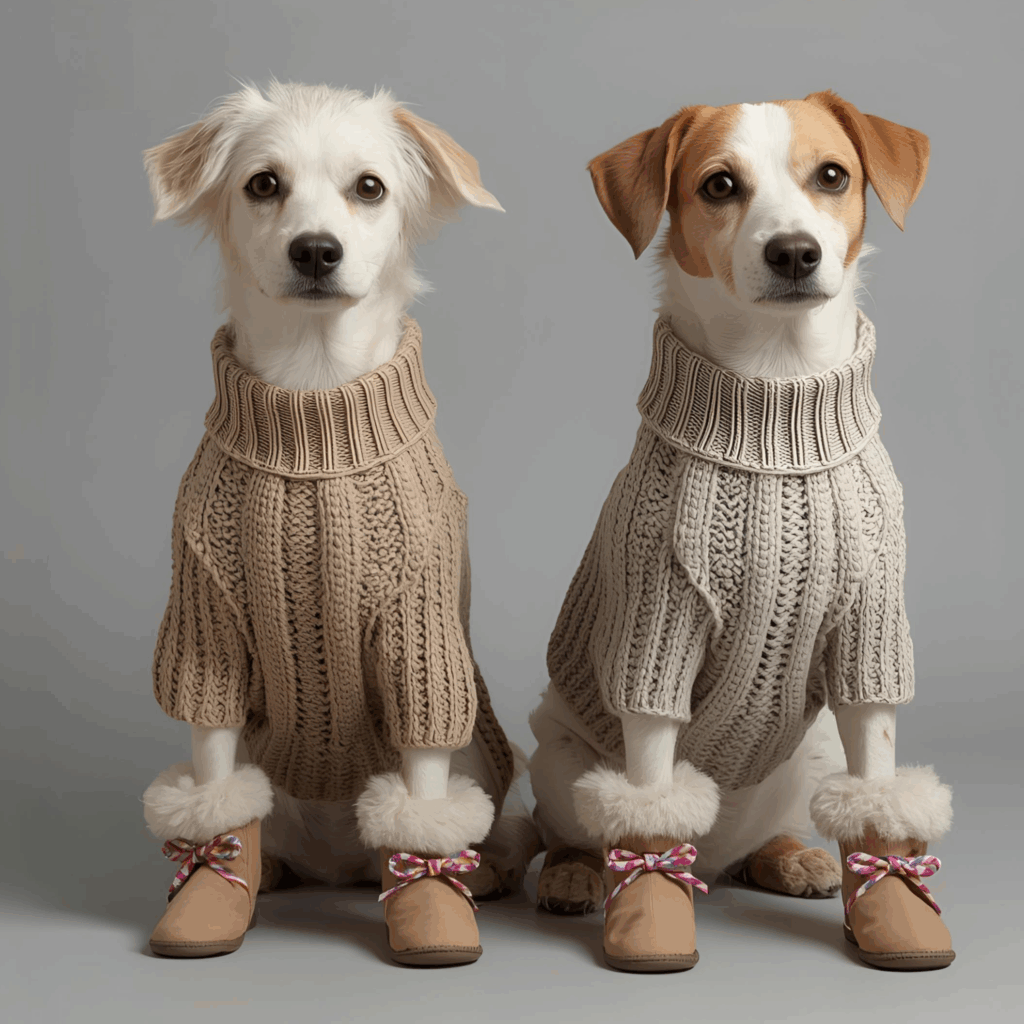
The biggest question we get asked about when it comes to winter weather-paws. Snow, salt, ice, and cold can all be irritants to paws.
For some dogs, booties offer protection from the cold and salt and keep them active long into the winter months. There are rubber booties, cloth booties, and ones with harder soles. If your dog refuses to tolerate boots, a protective wax such as Musher’s Secret may be useful to keep out the salt and keep in the moisture. In a quick pinch, putting a layer of plastic wrap (Press and Seal works quite well) can also be helpful. No matter the route you go, always make sure you wipe your dog’s paws off well once they come inside.
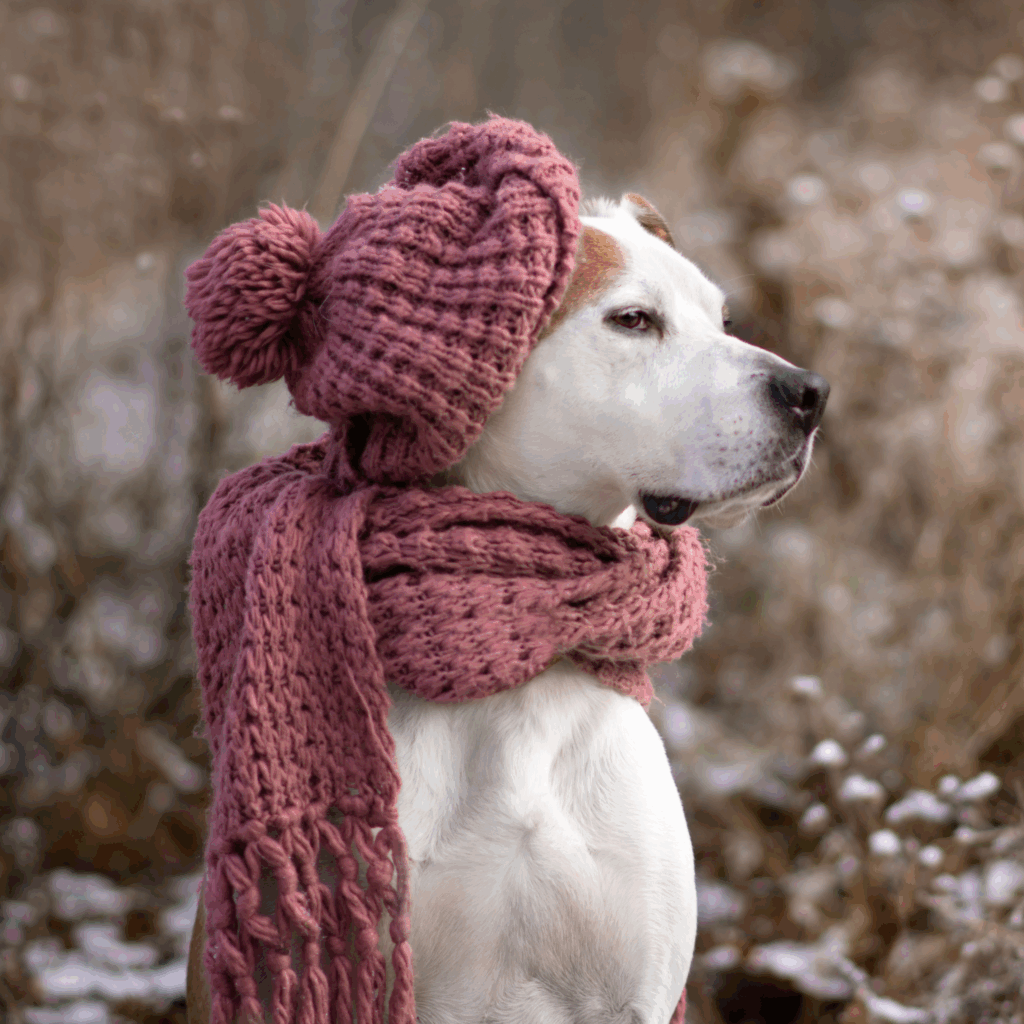
Another question we often get asked is, ” Does my dog need a jacket?” The answer to this is very breed-dependent. Generally, the toy breeds and poodle-mixes, with single hair layers, may not be able to keep as warm, and so a winter coat may help them enjoy their outside time a little more. On bitterly cold days, these pets may benefit from a sweater layer under their coat, but again, it depends on your own pet. When it comes to short-coat, furred dogs, temperatures below the 30s may call for a single-layer coat to help them stay comfortable. Many of our long-haired, double-coated pups may find 30 degrees and under to be their favorite weather (looking to our Bernese Mountain Dogs and Huskies!)
Signs that your dog is not tolerating the cold, and should go inside, include: shivering, lifting up paws, crying, or whining. No matter the breed, bring them inside, dry them off well, and give us a call.
On these cold days, the length of a walk can also be breed-dependent. In the 30s, many dogs will still feel comfortable, especially in a coat or booties. In the 20s, we recommend shortening outdoor exposure times, especially for smaller and thinner-coated pets. When temps or wind chills dip below 20 degrees, frostbite can occur quite quickly, and we recommend keeping walks to a quick 5-10 minutes-if it is too cold for you, it is probably too cold for them, too.
Other questions we get asked, and would like to help address:
- Do not leave your dog in the car unsupervised in the winter
- If your dog consumes something like road salt or anti-freeze, call our office immediately.
- If your dog is limping after a slip or fall on ice, give us a call.
- Walking your dog in the middle of the day, when it is warmest, and you are both most visible, is always preferred, especially with icy conditions. You’ll want drivers to see you clearly. When you cannot walk mid-day, we recommend high-visibility leashes, vests, lights, etc, to keep you both safe.
We hope this helps keep you and your pets enjoying a fun, snow-filled Chicago Winter. If you have any questions or concerns, you know where to find us!
Cheers-Dr. Cichon
Staff Veterinarian
Christensen Animal Hospital
pawdr.com